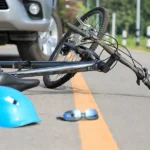
San Diego is one of California’s most cycle-friendly cities, with a network of dedicated bike lanes, scenic coastal paths, and year-round riding weather that attracts tens of thousands of cyclists onto its streets and roads every day. But the same infrastructure that draws cyclists also conceals serious hazards: potholes that open up overnight, crumbling bike lane edges, drainage grates aligned to catch bicycle tires, faded or absent lane markings, debris-strewn shoulders, and roads where the design itself puts cyclists in direct conflict with fast-moving vehicle traffic.
When a San Diego cyclist is hurt, whether by a distracted driver, a road defect, a missing warning sign, or a negligently designed intersection, the legal path to compensation through a cyclist injury claim depends on understanding exactly who is responsible for the condition that caused the injury. The answer is rarely simple. Liability may rest with a negligent driver, the City of San Diego, San Diego County, Caltrans, a private property owner, or some combination of all of them.
The State of Cycling Safety in San Diego
San Diego has invested significantly in cycling infrastructure, but the city’s road network is aging, its bike lanes are inconsistently maintained, and the interaction between cyclists and vehicle traffic remains one of the most dangerous dynamics on California roads. According to the California Highway Patrol’s SWITRS data, cyclist fatalities and serious injuries in San Diego County have remained stubbornly elevated despite infrastructure investment, with motor vehicle collisions accounting for the majority of serious cycling injuries and road conditions contributing significantly to the remainder.
The legal significance of this picture is clear: cycling injuries in San Diego frequently involve multiple potential defendants, the driver who failed to yield, the city that allowed a dangerous road condition to persist, and the agency responsible for a bike lane design that placed cyclists in harm’s way. Identifying every responsible party and pursuing every available avenue of compensation is the difference between a claim that covers your losses and one that leaves you paying out of pocket for years.
Common Causes of Cyclist Injuries on Unsafe San Diego Roads
Road Surface Defects
Potholes, cracked pavement, uneven asphalt, raised manhole covers, sunken utility patches, and deteriorating road surfaces are among the most common causes of single-cyclist accidents in San Diego, crashes that occur without any vehicle involvement, simply because the road surface was dangerously defective. A cyclist hitting a pothole at speed can be thrown from the bike entirely, sustaining the same categories of injury as a high-speed vehicle impact: head injuries, spinal injuries, broken bones, and severe road rash. When the responsible government agency knew or should have known about the defect and failed to repair it, a government liability claim may arise, subject to the critical six-month filing deadline.
Drainage Grates and Utility Infrastructure
Drainage grates with longitudinal slots aligned parallel to the direction of travel are a well-documented cycling hazard; bicycle tires can drop into the slots, and the cyclist is thrown forward with sudden, violent force. California and San Diego’s design standards have addressed some of these grates, but older infrastructure continues to present this risk throughout the city. Similarly, raised or recessed utility covers, improperly repaired utility cuts, and uneven transitions between road materials create recurring hazards in bike lanes and on cycling routes.
Absent, Faded, or Confusing Bike Lane Markings
Bike lane markings that have faded to the point of invisibility, bike lanes that end abruptly without warning, “door zone” bike lanes placed immediately adjacent to parallel parking without adequate buffer, and intersection markings that direct cyclists into conflict with right-turning vehicles all represent design and maintenance failures that predictably cause collisions. When a cyclist is hurt because lane markings failed to provide adequate guidance, or because they were directed by the road’s design into an inherently dangerous position, the responsible agency may bear liability.
Motor Vehicle Collisions, Distracted and Negligent Drivers
The majority of serious cyclist injuries in San Diego involve motor vehicles. Drivers who fail to check for cyclists before opening doors (dooring), who make right turns across a bike lane without checking for approaching cyclists, who pass cyclists without maintaining the legally required three-foot buffer under California Vehicle Code § 21760, or who simply fail to see cyclists in their path are the primary source of catastrophic cycling injuries on San Diego roads. These cases follow standard vehicle negligence principles, the driver and their insurer are the primary defendants.
Dangerous Intersections and Road Design
Some intersections in San Diego are inherently dangerous for cyclists, where sight lines are obstructed, where traffic signal timing does not provide adequate time for cyclists to clear the intersection, where turning vehicles frequently conflict with straight-through cyclists, or where the geometry of the intersection creates unpredictable vehicle-cyclist interactions. When the dangerous design of an intersection is a known, documented problem that the responsible agency has failed to address, a government liability claim may lie alongside or instead of a claim against any individual driver.
Construction Zones and Temporary Hazards
Active construction zones and utility work sites on San Diego’s roads frequently eliminate bike lanes, redirect cyclists into vehicle traffic, and create temporary surface hazards, loose gravel, uneven surfaces, and sudden lane shifts without adequate warning or alternative routing for cyclists. When a construction company or the public agency overseeing the project fails to provide adequate accommodations for cycling traffic, and a cyclist is injured as a result, both the contractor and the project owner may face liability.
Debris and Road Contamination
Glass, gravel, sand washed across a roadway, oil spills, and organic debris, including leaves that become slippery when wet, are cycling-specific hazards that vehicle operators largely do not notice, but that can cause catastrophic single-bike crashes. When these conditions result from another party’s negligence, a business that allows glass or debris to accumulate in an adjacent bike lane, or a landscaping operation that leaves cuttings across a cycling route, a premises or negligence claim against the responsible party may be available.
California Law: Who Is Liable for Cyclist Injuries on Unsafe Roads?
Government Entities and the Dangerous Condition Exception
When road defects, potholes, dangerous grates, absent markings, or poor design cause a cyclist’s injuries, the responsible government agency may be held liable under California Government Code § 835. This statute allows injured parties to hold government entities liable for injuries caused by a “dangerous condition” of public property when the entity had notice of the condition, actual or constructive, and failed to take reasonable corrective action within a reasonable time.
“Dangerous condition” under California law is broadly interpreted and has been applied to road defects, inadequate signage, negligent road design, and infrastructure that creates a predictable risk to cyclists. The critical issue, as in all government liability claims, is notice. Evidence that the city or county received prior complaints about the same defect, that the defect appeared on prior inspection reports, or that the condition had existed long enough that routine maintenance operations should have identified it all support a finding of constructive notice.
Claims against government entities, the City of San Diego, San Diego County, Caltrans, or any other public agency, are subject to the six-month government tort claim deadline under Government Code § 911.2. This deadline is absolute; missing it permanently bars the claim regardless of the severity of the injury or the clarity of the government’s negligence.
Negligent Drivers
When a motor vehicle collision causes a cyclist’s injuries, the driver’s negligence and the liability of their insurer are governed by standard California vehicle negligence law. California Vehicle Code § 21760 requires drivers to pass cyclists at a safe distance of not less than three feet. Dooring, opening a car door into a cyclist’s path, is addressed by California Vehicle Code § 22517, which prohibits opening vehicle doors into traffic without ensuring it is safe to do so. Violations of these specific statutes can constitute negligence per se, establishing breach of duty without requiring additional proof that the driver’s conduct was unreasonable.
Design and Construction Defects, Product Liability
In some cyclist injury cases, the dangerous condition results not from deferred maintenance but from the original design or construction of the road, bike lane, or cycling infrastructure. When a bike lane is designed in a way that is inherently dangerous, placing cyclists in a door zone, directing them across a high-speed intersection without adequate protection, or routing them over a surface that is predictably hazardous, the designer, engineer, or contractor responsible for the defective design may face liability alongside or instead of the maintaining agency.
Private Property Owners
When a cycling hazard arises from a private property owner’s negligence, overhanging landscaping that obstructs a bike lane, a business driveway that creates a sudden surface transition, or property drainage that floods a cycling route, the property owner may face premises liability for the resulting injuries under California Civil Code § 1714.
California Cyclist Rights and Protections
California law provides cyclists with significant legal protections that strengthen their injury claims:
- Three-foot passing law (CVC § 21760): Drivers must maintain at least three feet of clearance when passing cyclists. Failure to do so is a traffic violation that supports a negligence per se finding in a cyclist injury claim
- Dooring prohibition (CVC § 22517): Vehicle occupants must check for approaching cyclists before opening doors. A driver or passenger who opens a door into a cyclist is liable for resulting injuries
- Right of way at crosswalks and intersections: Cyclists operating lawfully in marked bike lanes have right-of-way protections that drivers are required to respect
- Bike lane protections: Drivers may not drive in a designated bike lane except to cross it for turning or parking, and may not block bike lanes in ways that force cyclists into vehicle traffic
- Helmet law: California requires cyclists under 18 to wear helmets. Adult cyclists are not legally required to wear helmets, though failure to wear a helmet may be raised in comparative fault arguments in serious head injury cases
Comparative Fault and Cyclist Injury Claims in California
California’s pure comparative negligence system applies fully to cyclist injury claims. Even if you were found to share some responsibility for the accident, for example, if you were riding without lights at night, failed to signal before turning, or rode through a stop sign, you can still recover compensation. Your award is reduced by your percentage of fault, but you are not barred from recovery even if you were significantly at fault.
Insurance companies and government agencies routinely attempt to attribute excessive comparative fault to injured cyclists, arguing that the cyclist was traveling too fast, was not wearing a helmet, was distracted, or should have anticipated the road defect. An experienced personal injury attorney will challenge these fault attributions aggressively, presenting the facts of the crash and the applicable vehicle code protections in the light most favorable to your claim.
Documenting Your Cyclist Injury Claim: What Evidence Matters
A compelling cyclist injury claim requires thorough, prompt evidence gathering, both from the accident scene and through subsequent investigation. Key evidence includes:
- Photographs of the road defect or hazard: Taken at the scene immediately after the accident, before the defect is repaired or the hazard is cleared. Capture the pothole, grate, marking, or condition from multiple angles, including with an object for scale
- Photographs of the accident scene: The surrounding road, lane markings, signage, intersection design, and the full context of where the accident occurred
- Photographs of your injuries and your bicycle: Immediately after the accident, before cleanup, documenting the nature and severity of the impact
- Prior complaint records: Through a public records request, your attorney can obtain records of prior complaints or service requests about the same road defect, establishing that the responsible agency had notice before your injury
- Maintenance and inspection records: Government road maintenance logs can reveal when the road was last inspected, what conditions were noted, and whether the defect was known and unaddressed
- Witness information: Names and contact details from anyone who witnessed the accident or who is familiar with the road defect’s history
- Police or incident report: Call 911 after any cycling accident involving injury. A police report creates an official record of the incident
- Medical records: Beginning with a same-day emergency or urgent care evaluation, creating a contemporaneous medical record linking your injuries to the accident
- Expert engineering or traffic analysis: In cases involving dangerous road design or defective infrastructure, an expert in traffic engineering or road design can testify about the applicable design standards and how the defect deviated from them
Common Cyclist Injuries and Their Legal Significance
Cyclists have none of the protective structures that vehicle occupants benefit from, no crumple zones, no airbags, and no steel cage between their bodies and the impact surface. As a result, cycling injuries tend to be severe relative to the speeds involved:
- Traumatic brain injuries: Even helmeted cyclists can sustain concussions and more serious TBIs in impacts with vehicles or the road surface, and unhelmeted cyclists face a dramatically higher risk of fatal head injury
- Road rash: Skin abrasions from sliding across pavement can be deep, extensive, and require surgical skin grafting, leaving permanent scarring and causing significant pain during recovery
- Broken collarbones and shoulder injuries: Among the most common cycling injuries when a rider falls and instinctively extends their arms or lands on their shoulder
- Broken wrists and arms: Outstretched arms attempting to break a fall frequently result in distal radius fractures and other upper extremity injuries
- Spinal injuries: Both cervical and lumbar spinal injuries occur in cycling crashes, particularly those involving high-speed impacts with vehicles
- Hip and pelvic fractures: Particularly serious in older cyclists, hip fractures from cycling accidents often require surgery and extended rehabilitation
- Knee and ankle injuries: Ligament tears, meniscus injuries, and fractures around the knee and ankle are common in both falls and direct vehicle impacts
- Facial injuries: Lacerations, dental injuries, and facial fractures can result from direct impact with the road or vehicle
- Psychological trauma: PTSD, cycling anxiety, and depression are documented consequences of serious cycling accidents that are independently compensable under California law
What Compensation Can San Diego Cyclists Recover?
A successful cyclist injury claim in California can recover the full range of personal injury damages:
- Medical expenses: Emergency care, surgery, hospitalization, specialist visits, physical therapy, and all projected future medical costs
- Lost wages and earning capacity: Income lost during recovery, and the long-term economic impact of any permanent disability
- Pain and suffering: Compensation for physical pain, emotional distress, and the full non-economic impact of the injury
- Bicycle and equipment damage: Repair or replacement of your bicycle, helmet, clothing, and any other equipment damaged in the accident
- Loss of enjoyment of life: If the cycling accident and its injuries prevent you from riding, an activity that may be central to your fitness, commute, or quality of life
- Permanent disability and disfigurement: When cycling injuries cause lasting physical limitations or visible scarring
- Wrongful death damages: When a cycling accident is fatal, surviving family members may pursue wrongful death claims
Frequently Asked Questions About Cyclist Injury Claims in San Diego
Q: Can I sue the City of San Diego if a pothole caused my cycling accident?
Yes, but you must act immediately. Claims against the City of San Diego for road defects require a formal government tort claim to be filed within six months of the accident. The claim must identify the specific location of the defect, the date of the accident, and the injuries and damages suffered. If the city had prior notice of the pothole, through prior complaints, inspection records, or the condition’s duration, the claim is significantly strengthened. Contact a personal injury attorney the same day if possible, so preservation and filing can begin immediately.
Q: A car door opened into me while I was riding in the bike lane. What are my rights?
You have strong legal protections. California Vehicle Code § 22517 prohibits opening vehicle doors into the path of approaching traffic, including cyclists. The driver or passenger who opened the door into your path is liable for your injuries under negligence per se. If you were riding in a designated bike lane at the time, as most dooring victims are, the case for the door-opener’s liability is particularly clear. Seek medical attention immediately, document the scene and the vehicle involved, and contact a personal injury attorney before speaking with any insurance company.
Q: I wasn’t wearing a helmet when I crashed. Does that affect my claim?
Adult cyclists are not legally required to wear helmets in California, so not wearing a helmet is not a traffic violation. However, if you sustained a head injury, the defense may argue that your failure to wear a helmet contributed to the severity of that specific injury, potentially reducing your recovery for head-related damages through comparative fault. This argument has limits; it does not affect compensation for non-head injuries, and an experienced attorney can challenge the extent to which helmetlessness actually increased the injury severity in the specific circumstances of your crash.
Q: What if the road defect that caused my accident was fixed before I could photograph it?
Contact a personal injury attorney immediately. While the physical defect may be gone, significant evidence may remain available: the attorney can obtain the government agency’s service records showing when the repair was made and what the condition was before repair; prior complaint records may show the city had longstanding notice of the defect; neighboring businesses or residents may have photographs; and Google Street View historical imagery sometimes captures road conditions at or near the time of the accident. A skilled attorney can reconstruct the evidentiary picture even when the defect itself has been repaired.
Q: I was hit by a car that ran a red light at a San Diego intersection. What should I do?
Seek medical attention immediately, even if your injuries seem minor. Call the police and ensure a report is filed. Photograph the scene, the vehicles, the traffic signals, and your injuries before leaving. Collect witness information. Do not give any recorded statement to the driver’s insurance company without first consulting a personal injury attorney. Traffic camera footage from the intersection may capture the collision. Your attorney can issue a preservation demand to the city and any nearby businesses to prevent this footage from being overwritten.
Q: Can I claim compensation if I was injured by a construction zone hazard while cycling?
Yes. Construction zones that eliminate bike lanes without providing safe alternative routing, that leave loose gravel or uneven surfaces without adequate warning, or that direct cyclists into high-speed vehicle traffic without protection create foreseeable injury risks. Liability may rest with the construction contractor, the project owner, or the public agency that permitted and supervised the construction, depending on the specific facts. These cases require prompt investigation to document the site conditions before they change.
Contact a San Diego Cyclist Injury Attorney Today
San Diego’s roads belong to cyclists as much as to drivers, and when unsafe road conditions or a negligent driver put you on the ground, you deserve full accountability and comprehensive compensation. Whether your injury was caused by a government-maintained road defect, a distracted driver, a dangerous intersection design, or a combination of all three, the Law Offices of Michael Waks has the experience and the legal knowledge to pursue every available avenue of recovery on your behalf.
We serve injured cyclists throughout San Diego and Southern California, moving quickly to document road defects, file government claims within the six-month deadline, and build the comprehensive, evidence-rich claims that achieve the results our clients deserve. All cases are handled on a contingency fee basis; you pay nothing unless we win.

- Who Is Liable for Injuries on Private Property in California? - August 27, 2026
- What Are Signs of Nerve Damage After Dog Bites in SoCal? - August 26, 2026
- Who Is Liable for Electrical Burn Injuries on CA Job Sites? - August 20, 2026