
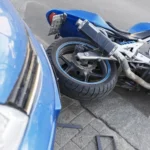
Of all the injuries a person can sustain in a motorcycle accident, a head injury is the most feared, and for good reason. Motorcycle head injuries, including traumatic brain injuries (TBIs), skull fractures, and concussions, can alter the course of a person’s life in ways that no other injury quite matches. Cognitive changes, memory loss, personality shifts, chronic headaches, seizures, and permanent disability are all possible outcomes of a serious motorcycle head injury in California.
Yet many motorcycle accident victims, and their families, underestimate just how complex the legal battle that follows can be. Insurance companies know that motorcycle head injury claims are expensive, and they fight them aggressively. Victims are often dealing with hospitalization, cognitive impairment, and the overwhelming demands of recovery, while adjusters work quietly in the background to minimize payouts.
So, do you need a lawyer after a motorcycle head injury in California? The answer, particularly for serious brain injuries, is an emphatic yes.
Motorcycle Head Injuries in California: The Scope of the Problem
The National Highway Traffic Safety Administration (NHTSA) reports that helmeted motorcyclists are significantly less likely to die from head injuries than unhelmeted riders, yet even helmeted riders are vulnerable to serious traumatic brain injuries in high-impact crashes. The physics of motorcycle accidents, no protective cage, direct exposure to the road surface, and frequent high-speed impacts, make head injuries both common and severe.
California’s Motorcycle Helmet Law and How It Affects Your Claim
California has one of the strictest motorcycle helmet laws in the country. Under California Vehicle Code § 27803, all motorcycle riders and passengers are required to wear a helmet that meets federal safety standards at all times while riding. There are no age or experience exceptions; the law applies universally.
In the context of a personal injury claim, helmet use, or the lack of it, carries significant legal weight:
If You Were Wearing a Helmet
Wearing a compliant helmet strengthens your claim. It demonstrates that you were riding responsibly and in compliance with California law, making it harder for the defense to argue that your own conduct contributed to your injuries. It also preserves the helmet itself as critical physical evidence; the damage pattern on a helmet can help accident reconstruction experts determine the angle and force of impact.
If You Were Not Wearing a Helmet
Riding without a helmet is a violation of California law and will be used by the defense to argue comparative negligence, that your failure to wear a helmet contributed to the severity of your head injury. Under California’s pure comparative fault system, your compensation may be reduced by the percentage of fault attributed to you. However, riding without a helmet does not bar you from recovering compensation entirely, and an experienced attorney can work to limit the comparative fault finding and maximize your overall recovery.
Types of Motorcycle Head Injuries and Their Long-Term Impact
Not all motorcycle head injuries are the same, and the type and severity of the injury directly affect the value and complexity of a legal claim. Common motorcycle head injuries include:
Concussions
A concussion is a mild traumatic brain injury caused by a sudden jolt or blow to the head. Symptoms include headaches, dizziness, memory difficulties, and sensitivity to light and sound, and can persist for weeks or months as post-concussion syndrome. While classified as “mild,” the cumulative and long-term effects of a concussion should never be underestimated, and repeated concussions carry heightened risks of permanent cognitive impairment.
Moderate to Severe Traumatic Brain Injuries (TBI)
Moderate to severe TBIs involve prolonged loss of consciousness, significant memory loss, and lasting neurological impairment. These injuries can permanently alter cognitive function, emotional regulation, speech, vision, and motor skills. Victims may require long-term or lifelong care, vocational rehabilitation, and extensive psychological support. The lifetime economic cost of a severe TBI can reach into the millions of dollars, which is why these cases demand aggressive legal representation.
Skull Fractures
A skull fracture occurs when the bone surrounding the brain cracks or breaks under impact. Depressed skull fractures, where bone fragments press inward toward brain tissue, are particularly serious, often requiring emergency surgery. Skull fractures substantially increase the risk of brain bleeding, infection, and permanent neurological damage.
Intracranial Hemorrhage and Hematoma
Bleeding within the skull, whether between the brain and its protective membranes (subdural or epidural hematoma) or within the brain tissue itself (intracerebral hemorrhage), is a life-threatening emergency. Symptoms may develop rapidly or may be delayed for hours, which is why immediate and ongoing medical monitoring after any motorcycle head injury is essential. Emergency surgery is often required to relieve pressure and prevent fatal outcomes.
Diffuse Axonal Injury (DAI)
Diffuse axonal injury occurs when the brain’s long connecting nerve fibers are sheared or torn by the rotational forces of a high-speed crash. DAI is one of the most severe forms of traumatic brain injury, often resulting in prolonged coma, persistent vegetative state, or profound long-term disability. It may not be fully apparent on initial CT scans, requiring specialized MRI imaging to diagnose.
Facial Fractures and Orbital Injuries
Facial fractures, including cheekbones, the jaw, and the orbital bones surrounding the eyes, frequently accompany motorcycle head injuries when a rider’s face strikes the pavement or another vehicle. These injuries can require reconstructive surgery and may cause permanent disfigurement, vision problems, or chronic pain.
Why Motorcycle Head Injury Cases Are Legally Complex
Motorcycle head injury cases present a unique set of legal challenges that distinguish them from typical car accident claims:
- Bias against motorcyclists: Insurance companies and even some jurors hold ingrained biases that motorcyclists are reckless by nature. An experienced attorney knows how to proactively address and counter these biases.
- High claim values trigger aggressive defense: The catastrophic nature of TBIs means these claims involve very large sums of money, prompting insurers to invest significantly in fighting them.
- Helmet and comparative fault disputes: Insurers will scrutinize every aspect of the rider’s conduct, equipment, and compliance with traffic law to assign comparative fault and reduce their payout.
- Proving future damages: TBI cases require detailed medical expert testimony to establish not just current treatment costs, but the projected lifetime cost of care, which is frequently the largest component of the claim.
- Cognitive impairment affects the victim’s ability to participate: A motorcyclist with a serious brain injury may struggle to recall events, attend appointments, or communicate effectively, making legal representation not just helpful but essential.
- Multiple liable parties: Beyond the at-fault driver, liability may extend to vehicle manufacturers, road maintenance authorities, or the motorcyclist’s own insurer under underinsured motorist coverage.
Who Can Be Held Liable for a Motorcycle Head Injury in California?
Identifying every potentially liable party is one of the most critical steps in a motorcycle head injury case. Depending on the circumstances, responsible parties may include:
- The at-fault driver: The motorist whose negligence, whether distracted driving, failure to yield, unsafe lane change, or speeding, caused the collision is the primary defendant in most motorcycle accident cases.
- The at-fault driver’s employer: If the driver was operating a vehicle in the course and scope of their employment, their employer may be vicariously liable under respondeat superior.
- A vehicle or helmet manufacturer: If a defective vehicle component, such as faulty brakes or a tire blowout, caused or contributed to the accident, or if a helmet failed to meet its stated protective standards, a product liability claim may be available.
- A government entity: Poorly maintained roads, missing guardrails, defective traffic signals, or inadequate road design can all contribute to motorcycle accidents and give rise to a government liability claim, subject to shortened filing deadlines.
- Your own insurer (UM/UIM coverage): If the at-fault driver is uninsured or underinsured, your own uninsured/underinsured motorist policy may be a critical source of compensation for a catastrophic motorcycle head injury.
What Compensation Can You Recover for a Motorcycle Head Injury in California?
Motorcycle head injury cases, particularly those involving moderate to severe TBIs, often involve the highest compensation values in personal injury law. A comprehensive claim may include:
- Past and future medical expenses: Emergency care, neurosurgery, ICU hospitalization, neurological rehabilitation, cognitive therapy, psychiatric care, medications, and any lifetime care needs
- Lost wages and future earning capacity: Income lost during recovery, and the full economic value of diminished or lost earning ability if the TBI results in permanent cognitive or physical limitations
- In-home care and support services: If the injury requires ongoing daily assistance, personal care, or home modification
- Pain and suffering: Compensation for the profound physical pain and emotional anguish of a serious head injury and its aftermath
- Loss of enjoyment of life: If cognitive, emotional, or physical changes from the TBI prevent you from living as you did before
- Disfigurement and permanent disability: Facial injuries, scarring, and permanent neurological impairment carry significant additional compensation
- Loss of consortium: Compensation for the impact of the injury on your spouse or family relationships
- Wrongful death damages: If a motorcycle head injury proves fatal, surviving family members may pursue a wrongful death claim for funeral expenses, lost financial support, and loss of companionship
- Punitive damages: In cases involving extreme recklessness, such as a drunk driver or a driver engaged in road rage, punitive damages may be awarded
Why You Absolutely Need a Lawyer After a Motorcycle Head Injury
Handling a motorcycle head injury claim without experienced legal representation puts you at serious risk of being dramatically undercompensated. Here is what a skilled California motorcycle accident attorney brings to your case:
Immediate Evidence Preservation
In the aftermath of a serious motorcycle accident, critical evidence disappears rapidly. Your attorney can immediately issue legal preservation letters, retain accident reconstruction specialists, secure surveillance footage, subpoena black box data from other vehicles, and document the crash scene before evidence is lost or destroyed.
Accurate Valuation of Catastrophic Damages
Calculating the true lifetime value of a serious TBI claim requires life care planners, vocational rehabilitation experts, neuropsychologists, and economic damages specialists. An attorney with experience in catastrophic injury cases knows which experts to retain and how to present their findings persuasively, to an insurer at the negotiating table or to a jury at trial.
Countering Insurer Tactics
Insurance companies employ experienced adjusters and defense attorneys whose entire job is to minimize payouts on serious injury claims. They may conduct surveillance on you, monitor your social media, request broad access to your medical history, or make early lowball offers while you are still in the hospital. An experienced attorney shields you from these tactics and ensures you never unknowingly compromise your claim.
Navigating Cognitive Impairment
A motorcyclist with a serious TBI may have difficulty remembering the accident, communicating their experience, or managing the administrative demands of a legal claim. In severe cases, a family member may need to be involved as a conservator or legal representative. An experienced attorney handles all of this on behalf of the client and their family, allowing the victim to focus entirely on recovery.
Trial Readiness
Insurance companies know which attorneys are willing to take cases to trial, and they settle for more when they know the opposing counsel is prepared to do so. An attorney with a track record of trial success is in a far stronger negotiating position than one who only settles. Attorney Michael Waks has spent decades preparing and trying serious injury cases in California courts.
What to Do After a Motorcycle Head Injury in California
If you or a family member has suffered a motorcycle head injury in Southern California, these steps are essential to protecting both health and legal rights:
- Call 911 immediately. Any suspected head injury requires emergency medical response. Do not allow the injured rider to remove their helmet; this should be done only by trained medical personnel.
- Seek emergency medical care. Even if the rider appears alert, traumatic brain injuries can deteriorate rapidly. Immediate neurological evaluation, CT scanning, and close monitoring are critical.
- Preserve the helmet. The damaged helmet is a critical piece of physical evidence. Do not clean, repair, or discard it, store it in a safe place and give it to your attorney.
- Document the scene. If possible, photograph the crash scene, vehicle positions, road conditions, skid marks, and any relevant signage before the scene is cleared.
- Gather witness information. Collect names and contact details from any witnesses before they leave the scene.
- Do not give recorded statements. Decline any request from an insurance adjuster for a recorded statement until you have spoken with an attorney.
- Contact a motorcycle head injury attorney immediately. The sooner legal representation is in place, the sooner evidence can be preserved and your rights protected. In serious TBI cases, family members should contact an attorney on the victim’s behalf if they are unable to do so.
California’s Statute of Limitations for Motorcycle Head Injury Claims
Under California Code of Civil Procedure § 335.1, personal injury victims generally have two years from the date of the accident to file a lawsuit. For wrongful death claims arising from a fatal motorcycle head injury, the two-year clock typically begins from the date of death. Claims involving government entities require a government tort claim to be filed within six months.
One important exception: California law may toll, or pause, the statute of limitations for victims who are mentally incapacitated as a result of their injuries. However, relying on this exception without legal guidance is risky. Contact an attorney as early as possible after the accident, even if the victim is still receiving acute medical care. Family members can and should initiate this contact on the victim’s behalf.
Frequently Asked Questions About Motorcycle Head Injuries and California Law
Q: Can I still recover compensation if I wasn’t wearing a helmet?
A: Yes, though your compensation may be reduced. California’s comparative negligence system allows you to recover damages even if you contributed to your own injuries; your award is simply reduced by your percentage of fault. Not wearing a helmet violates California law and will likely be raised by the defense, but it does not bar recovery entirely. An experienced attorney can minimize the comparative fault finding and fight for the maximum compensation available.
Q: What if the at-fault driver’s insurance is not enough to cover my TBI?
A: This is a common and serious problem in catastrophic injury cases. California’s minimum liability limits ($15,000 per person) are wholly inadequate for a serious TBI claim. If the at-fault driver is underinsured, your own underinsured motorist (UIM) coverage may provide additional compensation. Your attorney can also investigate whether other parties, such as an employer or government entity, share liability and carry their own coverage.
Q: How long do motorcycle head injury cases take to resolve?
A: Serious TBI cases are among the most complex personal injury claims and often take one to three years or longer to resolve, particularly when the full extent of the victim’s long-term impairment must be established before settling. Settling too early risks leaving high future medical costs and care needs unaccounted for. Your attorney will advise you on the right timing for any settlement.
Q: What if my loved one cannot participate in their own legal case due to their TBI?
A: Family members can retain a personal injury attorney on behalf of an incapacitated loved one. In severe cases, a legal conservatorship may be established to allow a family member to make legal and financial decisions on the victim’s behalf. An experienced TBI attorney will guide you through this process and ensure the victim’s rights are fully protected.
Q: Can I file a claim if the accident was a hit-and-run?
A: Yes. If the at-fault driver fled the scene, you may be able to file a claim under your own uninsured motorist (UM) coverage, which is specifically designed to compensate victims when the responsible party cannot be identified or located. California law requires insurers to offer UM coverage, and it can be a vital safety net in hit-and-run motorcycle accidents.
Q: Is lane splitting legal in California, and does it affect my claim?
A: California is the only U.S. state where lane splitting is explicitly legal, under California Vehicle Code § 21658.1. If you were lane splitting at the time of the accident, the defense may attempt to use this as evidence of comparative fault. However, legal lane splitting does not automatically reduce your compensation; the key question is whether you were riding in a safe and prudent manner. An experienced attorney can address this effectively.
Suffered a Motorcycle Head Injury in California? Call Michael Waks Today
A motorcycle head injury can change everything: your cognitive abilities, your career, your relationships, and your independence. The legal battle that follows is equally serious, and facing it without experienced representation puts your future at risk.
The Law Offices of Michael Waks has spent decades fighting for seriously injured motorcycle accident victims throughout Long Beach and Southern California. We understand the devastating impact of traumatic brain injuries, and we know how to build the kind of airtight, high-value cases that achieve real justice, at the negotiating table and in the courtroom.

- Who Is Liable for Injuries on Private Property in California? - August 27, 2026
- What Are Signs of Nerve Damage After Dog Bites in SoCal? - August 26, 2026
- Who Is Liable for Electrical Burn Injuries on CA Job Sites? - August 20, 2026