
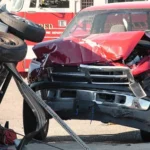
Alcohol-related accidents can have devastating consequences, including serious injuries, property damage, and even fatalities. In California, dram shop laws create a legal pathway for victims to seek compensation from establishments that serve alcohol negligently. Understanding how these laws work is essential for anyone injured in an accident involving an intoxicated driver.
What Dram Shop Laws Are
Dram shop laws hold alcohol-serving establishments, such as bars, restaurants, and liquor stores, accountable when they contribute to injuries caused by intoxicated patrons. The term “dram shop” originates from historical laws regulating the sale of alcohol by the dram, or small measure. In California, these laws allow victims to pursue personal injury claims against businesses that serve alcohol to visibly intoxicated individuals or minors, and that person subsequently causes harm.
Establishments Covered by Dram Shop Laws
Dram shop laws apply to a variety of businesses that serve or sell alcohol. Bars, nightclubs, restaurants, wineries, and liquor stores can all be held liable under certain circumstances. The law focuses on establishments that either knowingly serve alcohol to someone already visibly intoxicated or provide alcohol to a minor. Retailers and servers are expected to exercise reasonable care to prevent foreseeable harm to others.
When a Business Can Be Held Responsible
To hold a business accountable under California dram shop laws, certain conditions must be met. The establishment must have served alcohol to an obviously intoxicated person or a minor. The intoxicated person must have caused an accident resulting in injury or damage. There must also be a clear causal link between the service of alcohol and the resulting harm. If these elements are established, the business can be held liable for damages suffered by victims.
Examples of Dram Shop Liability
Common scenarios include a bar serving drinks to a patron who is already highly intoxicated, who then drives and causes a car accident. Another example is a restaurant serving alcohol to a minor who later injures someone in an accident. In both cases, the alcohol-serving establishment may share responsibility for the damages. Establishments that ignore warning signs or fail to follow California regulations can be held accountable.
Evidence Needed to Support a Claim
Proving a dram shop claim requires careful evidence collection. Witness statements, surveillance footage, and records of alcohol purchases can demonstrate that the patron was served while visibly intoxicated or underage. Police reports, medical records, and accident scene documentation help establish the link between the patron’s intoxication and the resulting injuries. Expert testimony may also be used to show how alcohol consumption contributed to the accident.
Limits on Liability
California dram shop laws have specific limits. The law primarily applies to injuries caused by intoxicated patrons, not to general negligence or unrelated accidents. Additionally, liability may be reduced if the victim was partially at fault for the incident. Comparative negligence rules allow damages to be adjusted based on each party’s degree of responsibility. This means that the amount a victim can recover may be affected by their own actions.
Damages Available to Victims
Victims of alcohol-related accidents can pursue compensation for a variety of damages. This includes medical expenses, lost wages, property damage, pain and suffering, and emotional distress. In some cases, punitive damages may be awarded if the establishment acted with gross negligence or reckless disregard for safety. Compensation aims to cover both immediate costs and long-term impacts of the injury.
Insurance and Settlement Considerations
Alcohol-serving establishments often carry liability insurance that covers dram shop claims. Insurance companies will investigate the incident and may attempt to minimize payouts. Legal representation is critical to ensure that victims receive fair compensation and that insurance adjusters account for the full scope of damages. Attorneys can negotiate settlements or take the case to court when necessary.
Preventing Alcohol-Related Injuries
While dram shop laws hold businesses accountable after the fact, prevention is essential. Establishments are required to train staff, monitor patron intoxication levels, and follow state regulations. Responsible serving practices reduce the risk of accidents and protect both patrons and the public. Consumers also play a role by making safe choices and reporting unsafe conditions when observed.
Consulting a Personal Injury Attorney
Navigating dram shop claims can be complex. An experienced personal injury attorney can evaluate the circumstances of the accident, identify all liable parties, and gather the necessary evidence. Attorneys handle communications with insurance companies, negotiate settlements, and represent victims in court if necessary. Legal guidance ensures that victims understand their rights and receive compensation that reflects the full extent of their losses.
Conclusion
Dram shop laws provide an important legal avenue for victims of alcohol-related accidents in California. Establishments that serve alcohol negligently can be held responsible when their actions contribute to serious injuries or fatalities. Victims should seek immediate medical attention, document the incident, and consult a personal injury attorney to protect their rights. Understanding how dram shop laws work helps ensure accountability and provides a path to compensation after preventable accidents.


- Tragedy in Lake Tahoe: Did Blackbird Mountain Guides’ Conduct Cross Into Gross Negligence? - February 20, 2026
- Dog Bite Liability: Lessons from a Recent L.A. Shelter Case - February 5, 2026
- How Road Construction Zones Increase Crash Risks in California - January 8, 2026