
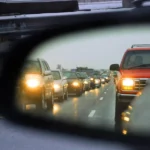
Freeway accidents in San Diego often present challenges that differ from crashes on local roads. Higher speeds, heavier traffic, and the mix of passenger vehicles and commercial trucks can increase the likelihood of serious injuries and complex accident investigations. Whether the collision occurred on I-5, I-8, I-15, or SR-94, it is important to know what to do in the aftermath.
The decisions you make in the minutes, hours, and days after a San Diego freeway accident can affect both your recovery and your ability to pursue compensation. Seeking prompt medical care, documenting the scene when possible, and reporting the crash can help protect your health and preserve important evidence. Taking these steps also puts you in a stronger position when dealing with insurance companies and pursuing a personal injury claim.
Why Freeway Accidents in San Diego Are Uniquely Dangerous and Legally Complex
San Diego’s extensive freeway network carries some of the heaviest traffic in California. The I-5 corridor, connecting San Diego to Los Angeles and the Mexican border; the I-8 running east through Mission Valley; the I-15 serving the inland communities; and the SR-94 and SR-163 threading through the urban core are all high-volume, high-speed roadways where serious accidents occur with troubling regularity.
According to the California Highway Patrol’s SWITRS data, San Diego County consistently ranks among California’s most dangerous counties for serious freeway collisions, with speed differentials, heavy commercial vehicle traffic, and complex multi-lane interchange environments all contributing to accident severity.
Legally, freeway accidents carry additional complexity beyond standard surface street collisions:
- Higher speeds produce more severe injuries, including traumatic brain injuries, spinal cord damage, and internal trauma, that require more sophisticated medical and legal management
- Multi-vehicle involvement is more common, raising the multi-defendant, multi-insurer liability issues seen in pile-up accident cases
- Commercial vehicles, trucks, buses, and delivery vehicles are disproportionately present on freeways and introduce federal FMCSA regulatory dimensions
- Evidence disappears faster, skid marks are cleared, debris is removed, and CHP may redirect traffic before you have a chance to document the scene
- Government entity liability may arise when freeway design defects, inadequate signage, or poor road maintenance contributed to the crash
Immediate Steps at the Scene of a San Diego Freeway Accident
Step 1: Get to Safety First
On a high-speed freeway, remaining inside a disabled vehicle in an active travel lane is one of the most dangerous positions you can be in. If your vehicle is drivable and it is physically safe to do so, move it to the right shoulder, an emergency pull-out area, or the nearest freeway exit. Turn on your hazard lights immediately. If your vehicle cannot be moved, stay inside with your seatbelt fastened until emergency personnel arrive. Exiting onto a live freeway lane is extremely dangerous.
Step 2: Call 911 Without Exception
Always call 911 after a freeway accident in San Diego, regardless of how minor the crash appears. The California Highway Patrol (CHP) responds to freeway accidents and will create an official incident report that documents the parties involved, initial observations about fault, witness information, and the conditions at the time of the crash. This report is foundational evidence in any subsequent insurance claim or personal injury lawsuit. Never leave the scene without ensuring law enforcement has been called.
Step 3: Seek Medical Evaluation Immediately
Even if you feel physically intact in the immediate aftermath of the crash, you must seek medical evaluation the same day. Freeway accident injuries, including traumatic brain injuries, spinal injuries, internal bleeding, and soft tissue damage, frequently present with delayed symptoms masked by adrenaline and the shock of the accident.
Visiting an emergency room or urgent care clinic on the day of the accident creates a medical record that:
- Documents your initial post-accident condition
- Establishes the timeline connecting your injuries to the crash
- Prevents the insurer from arguing that a gap in treatment means the injuries were not serious
Step 4: Document the Scene Before You Leave
If you are physically able to do so safely, document the accident scene before law enforcement clears it. Use your phone to photograph and video:
- All vehicles involved, damage, positions, and license plates
- The freeway lane configuration, signage, and road conditions
- Skid marks, debris, and any physical evidence of the crash
- Visible injuries to yourself or passengers
- The surrounding area, interchanges, on-ramps, overhead signs, and lighting
Time-stamped photographs taken at the scene are among the most compelling evidence in any freeway accident case, and once the CHP clears the scene, much of this evidence is gone permanently.
Step 5: Exchange Information and Gather Witnesses
Obtain the following from every other driver involved in the crash:
- Full legal name, address, and phone number
- Driver’s license number and state
- Vehicle make, model, color, and license plate
- Insurance company and policy number
- Vehicle registration information
If any other drivers appear to work for a commercial carrier or delivery company, note the company name and any DOT or fleet numbers visible on the vehicle. If bystanders, other motorists, or passengers witnessed the crash, collect their names and contact information before they leave. In the chaos of a freeway accident scene, witnesses disappear quickly, their accounts can be decisive in establishing how the crash occurred.
Step 6: Do Not Admit Fault or Minimize Your Injuries
In the immediate aftermath of an accident, it is human nature to apologize or to say you are fine. Resist both impulses:
- Do not say “I’m sorry,” “I didn’t see you,” or anything that could be interpreted as an admission of fault
- Do not tell the other driver, witnesses, or the responding CHP officer that you feel fine or are not injured
Statements made at the accident scene are admissible evidence. The adrenaline of the moment makes it impossible to accurately assess your injuries. Saying you feel fine when you are not documented at a hospital that day becomes ammunition for the insurer to dispute the severity of your subsequent claims.
Critical Steps in the Hours and Days After a San Diego Freeway Accident
Obtain the CHP Incident Report
After a freeway accident, the California Highway Patrol generates an official traffic collision report. You can typically obtain a copy within a few days of the accident through the CHP’s online records request system. Review the report carefully with your attorney; errors in the officer’s initial assessment of fault or contributing factors can sometimes be contested.
Notify Your Insurance Company Promptly
Most auto insurance policies require prompt notification of any accident, typically within 24 to 72 hours. Failure to notify within the required window can give your insurer grounds to dispute coverage. Report the accident factually, describing what happened without speculating about fault. Do not provide a recorded statement to any insurance company, your own or the other party’s, without first consulting a personal injury attorney.
Preserve All Physical Evidence
- Keep the clothing and footwear you were wearing at the time of the accident; do not wash or discard them
- If your vehicle has a dashcam, secure the footage immediately before it is overwritten
- Retain all repair estimates, rental car receipts, and vehicle inspection reports
- Photograph your injuries daily as they develop, bruising, swelling, and other visible injuries often worsen in the 24–72 hours after a crash
Follow All Medical Recommendations
Attend every follow-up appointment, complete every prescribed course of physical therapy, take all prescribed medications, and follow all physician instructions. Gaps in treatment, even brief ones, are used by insurance companies to argue that your injuries were not serious or have resolved. Consistent, documented medical care protects both your health and the value of your claim.
Begin a Daily Pain and Symptom Journal
From the day of the accident forward, maintain a daily written record of:
- Your pain levels and where you experience pain
- Symptoms such as headaches, dizziness, cognitive difficulties, or emotional changes
- Activities you could not perform because of your injuries
- How your injuries affected your sleep, work, and relationships
This journal becomes compelling evidence of the ongoing human impact of your injuries, particularly important in cases involving chronic pain, post-concussion syndrome, or delayed-symptom injuries.
Who Can Be Held Liable for a San Diego Freeway Accident?
Freeway accidents frequently involve more complex liability questions than surface street collisions. Depending on the circumstances, responsible parties may include:
- The at-fault driver: The primary defendant in most freeway accident cases, the driver whose negligent conduct (speeding, distracted driving, unsafe lane change, failure to maintain safe following distance) caused the crash
- The at-fault driver’s employer: If the at-fault driver was operating a commercial vehicle or driving in the course of their employment, their employer may be vicariously liable
- Commercial trucking companies: Freeway crashes involving large trucks introduce FMCSA regulatory dimensions, violations of hours of service rules, vehicle maintenance requirements, or cargo securement standards can establish negligence per se against the trucking company
- Vehicle manufacturers: If a mechanical defect, brake failure, tire blowout, or steering malfunction contributed to the crash, the manufacturer may face strict product liability
- Government entities: If the freeway’s design, maintenance, or signage contributed to the crash, inadequate lane markings, missing guardrails, poor lighting at interchanges, or deferred repaving of dangerous surface conditions, the responsible California government agency may share liability, subject to the six-month government tort claim deadline under California Government Code § 911.2
Common Freeway Accident Injuries and Their Legal Significance
The high speeds involved in freeway accidents produce injury patterns that are both more severe and more medically complex than lower-speed collisions. Common freeway accident injuries include:
- Traumatic brain injuries and concussions: High-force impacts can produce TBIs ranging from mild concussion to catastrophic diffuse axonal injury, injuries that may not be fully apparent on initial imaging
- Spinal cord injuries: Cervical and lumbar spinal injuries, including disc herniations, vertebral fractures, and, in the most severe cases, paralysis, are disproportionately common in high-speed freeway collisions
- Whiplash and cervical spine injuries: The rapid acceleration-deceleration forces of freeway impacts frequently cause significant neck injuries that may develop into chronic pain conditions
- Broken bones and fractures: Ribs, clavicles, wrists, arms, and hips are commonly fractured in high-speed impacts
- Internal injuries: Blunt trauma from seatbelts, steering wheels, and airbag deployment can cause organ damage and internal bleeding that requires emergency surgical intervention
- Psychological trauma: PTSD, driving anxiety, and depression are recognized sequelae of serious freeway accidents that are independently compensable under California law
What Compensation Can You Recover After a San Diego Freeway Accident?
California personal injury law entitles victims of freeway accidents caused by another’s negligence to recover the full range of economic and non-economic damages:
- Medical expenses: All past and future treatment costs, emergency care, surgery, hospitalization, specialist visits, physical therapy, neurological care, and long-term management of chronic conditions
- Lost wages and earning capacity: Income lost during recovery, and the full economic value of permanently diminished earning capacity if injuries cause lasting professional limitations
- Pain and suffering: Compensation for physical pain, emotional distress, and the ongoing impact of your injuries on daily life
- Property damage: Repair or replacement of your vehicle and any personal property damaged in the crash
- Loss of enjoyment of life: Compensation for activities no longer accessible due to your injuries
- Wrongful death damages: When a freeway accident is fatal, surviving family members may pursue wrongful death claims for their own losses
The Statute of Limitations for Freeway Accident Claims in California
Under California Code of Civil Procedure § 335.1, you have two years from the date of the accident to file a personal injury lawsuit in California. For wrongful death claims, the two-year clock runs from the date of death.
Two critical exceptions apply. First, if a government entity, Caltrans, the City of San Diego, San Diego County, or another public agency, contributed to the accident through road design or maintenance failures, a government tort claim must be filed within just six months of the accident. Second, if a minor was injured, the statute of limitations is tolled until the child reaches age 18.
In freeway accident cases, the urgency of acting quickly goes beyond legal deadlines. Skid mark evidence fades within days. Surveillance footage at nearby businesses or freeway cameras is overwritten within weeks. The CHP may clear the scene before all evidence is documented. An attorney retained immediately after the accident can act within this narrow window to preserve evidence that would otherwise be permanently lost.
How a San Diego Personal Injury Attorney Protects Your Freeway Accident Claim
Retaining an experienced California personal injury attorney immediately after a freeway accident is the single most important step you can take to protect your legal rights. Here is what Attorney Michael Waks and his team do from day one:
- Issue formal legal preservation demands to the at-fault party, any commercial carriers, and government agencies to prevent destruction of black box data, dashcam footage, maintenance records, and surveillance video
- Retain accident reconstruction specialists who can analyze the crash before physical evidence at the scene is lost
- Identify every potentially liable party, including individual drivers, employers, trucking companies, manufacturers, and government entities
- Coordinate with your medical team to ensure every injury is properly documented and connected to the crash
- Handle all communications with insurance companies, preventing the recorded statements and early lowball offers that derail unrepresented claims
- Calculate the full value of your claim, including future medical costs, long-term earning capacity losses, and non-economic damages
- Fight for maximum compensation through skilled negotiation and, when necessary, trial
Frequently Asked Questions About Freeway Accidents in San Diego
Q: Do I need a police report after a freeway accident in San Diego?
Yes, and on a California freeway, the California Highway Patrol will typically respond automatically when 911 is called. The CHP incident report is one of the most important foundational documents in your claim. It records the parties involved, witness information, contributing factors, and the officer’s initial observations. Request a copy through the CHP’s records system as soon as it is available, typically within 5 to 10 business days of the accident.
Q: What if I was hit by a vehicle that fled the scene?
A hit-and-run freeway accident does not eliminate your right to compensation. Your own uninsured motorist (UM) coverage is specifically designed for these situations, providing compensation for your injuries, lost wages, and other damages when the at-fault driver cannot be identified or located. California law requires insurers to offer UM coverage, and it can be a critical safety net after a freeway hit-and-run. Contact a personal injury attorney immediately; freeway hit-and-run cases require prompt investigation to identify witnesses and potential surveillance footage before it is lost.
Q: Can I sue Caltrans if poor road conditions caused my freeway accident?
Potentially yes. Caltrans is responsible for maintaining California’s state highway system, including the freeways that run through San Diego. When deferred maintenance, inadequate signage, dangerous road design, or known hazardous conditions contributed to a crash, a government liability claim may lie against Caltrans or another responsible agency. However, claims against government entities in California are subject to the six-month government tort claim deadline; missing this deadline permanently bars the claim. Contact an attorney immediately if you believe road conditions contributed to your freeway accident.
Q: What if I was a passenger in the vehicle and the driver was at fault?
As a passenger, you are almost never at fault for a freeway accident, regardless of which vehicle caused the crash. You have the right to pursue a personal injury claim against the at-fault driver (whether that is the driver of the vehicle you were in, another driver, or both), as well as their insurance companies. Passengers in freeway accidents are typically entitled to full compensation for their injuries and losses without any comparative fault reduction.
Q: My injuries seemed minor at the scene, but I’m now in significant pain. What should I do?
See a doctor today, not tomorrow. Delayed symptom onset is extremely common after high-speed freeway accidents, particularly for spinal injuries, whiplash, and traumatic brain injuries. Visit an emergency room or urgent care clinic and describe the accident mechanism and every symptom you are experiencing, no matter how minor it seems. This visit creates a medical record that connects your symptoms to the crash and prevents the insurer from arguing that your injuries were not caused by the accident.
Q: How is a freeway accident different from a regular car accident claim?
Freeway accidents differ in several important ways: higher speeds produce more severe injuries; commercial vehicles are more commonly involved, introducing federal regulatory complexity; multi-vehicle pile-up scenarios are more common; evidence at the scene disappears faster; government liability for road conditions is more frequently at issue; and the overall damages, including future medical costs and long-term disability, tend to be larger. All of these factors make experienced legal representation particularly important in freeway accident cases.
Contact a San Diego Freeway Accident Attorney Today
A freeway accident can change the course of your life in an instant, and the decisions you make in the hours and days that follow will shape the outcome of your legal claim. The Law Offices of Michael Waks represents seriously injured accident victims throughout Southern California, including San Diego County, and has the experience, resources, and determination to pursue the full compensation that each case deserves.
From immediate evidence preservation through final settlement or verdict, Michael Waks fights for his clients at every stage, and does so on a contingency fee basis, meaning you pay nothing unless he wins your case. Your consultation is 100% free and completely confidential. Call us today or contact us online; the sooner we are involved, the better we can protect your rights.


- Who Is Liable for Injuries on Private Property in California? - August 27, 2026
- What Are Signs of Nerve Damage After Dog Bites in SoCal? - August 26, 2026
- Who Is Liable for Electrical Burn Injuries on CA Job Sites? - August 20, 2026